

Post Detail
BackAxon ERP Official
12 weeks ago
Why Retail Stores Lose Sales Because of Slow Billing Counters
Long Checkout Lines Are Quietly Reducing Retail Sales
For many retail businesses, losing customers doesn't always happen because of pricing, product quality, or inventory shortages. Sometimes the biggest problem begins at the billing counter.
A customer spends time selecting products, reaches the checkout, and then waits in a long queue while the cashier searches for items, manually enters prices, or resolves billing issues. After waiting several minutes, some customers simply put their products back and leave.
The retailer doesn't just lose one sale.
They lose future business, customer trust, and the opportunity to serve more shoppers during busy hours.
This is one of the reasons why modern retail POS software has become an essential part of retail operations instead of just another billing tool. Businesses operating supermarkets, convenience stores, fashion outlets, electronics stores, and other retail businesses often require industry-specific ERP solutions to manage billing, inventory, purchasing, and warehouse operations more efficiently.
Fast checkout, real-time inventory updates, barcode scanning, and automated billing now play a major role in improving customer experience and increasing daily sales.
For growing retailers, investing in an efficient Point of Sale (POS) system is no longer about convenience it's about protecting revenue and improving operational efficiency.
Why Slow Billing Is a Bigger Problem Than Most Retailers Think
Many business owners believe customers only care about finding the right products.
In reality, the checkout experience often determines whether customers return.
Research on retail customer experience consistently shows that long waiting times increase cart abandonment and reduce customer satisfaction, especially during weekends, holidays, and promotional campaigns.
When billing becomes slow, retailers begin facing problems that affect almost every department inside the business.
Some of the most common challenges include:
- Long checkout queues during peak business hours.
- Customers leaving before completing their purchase.
- Cashiers spending more time fixing problems than serving customers.
- Incorrect pricing during checkout.
- Barcode scanning failures.
- Delayed inventory updates after every sale.
- Lower customer satisfaction and repeat business.
These problems rarely exist on their own.
Instead, they usually indicate that billing, inventory, pricing, and sales operations are working independently instead of as one connected retail system.
Businesses using disconnected software often struggle to maintain accurate stock levels because inventory is not updated immediately after every transaction. Over time, this creates additional operational problems that affect purchasing, warehouse management, and overall inventory accuracy.
This is why retailers increasingly rely on integrated inventory management systems rather than standalone billing software to keep sales and stock synchronized throughout the day.
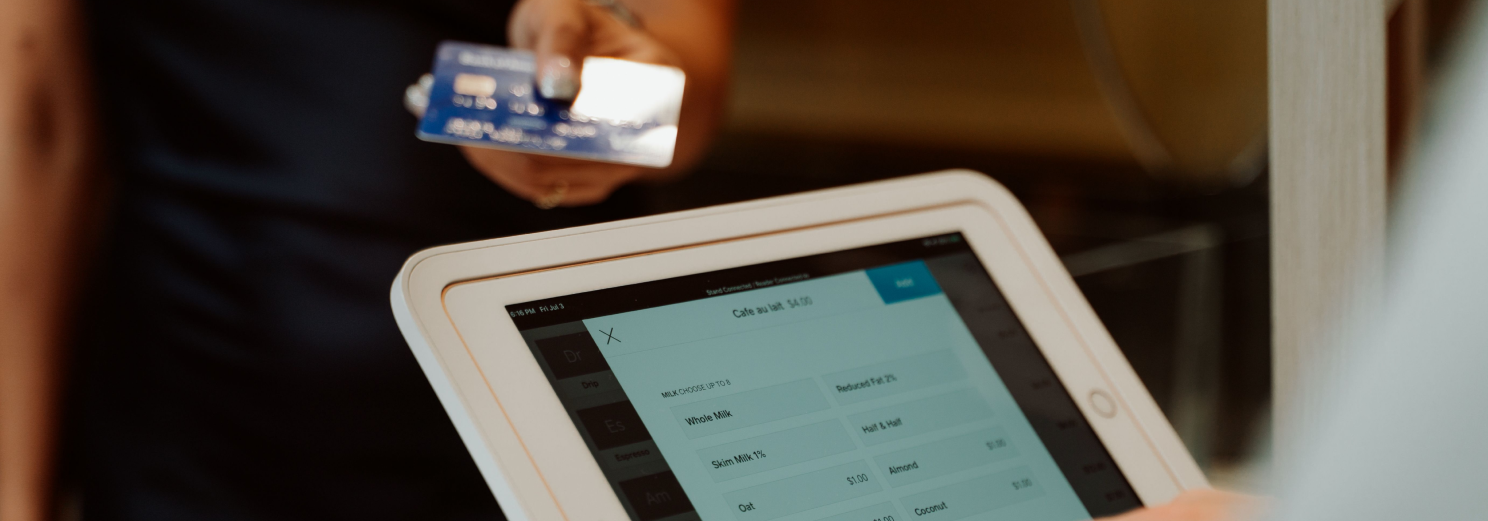
What Actually Makes Retail Billing Slow?
Many retailers assume slow billing is caused by inexperienced cashiers.
In reality, the cashier is usually dealing with problems that started much earlier.
Manual Product Searches
Without an organized product database, cashiers spend valuable time searching for products manually instead of scanning and completing transactions.
Every additional second increases customer waiting time.
Barcode and Pricing Issues
Missing barcode labels, duplicate products, outdated pricing, and incorrect product information interrupt the checkout process.
Instead of completing a sale in seconds, employees must manually verify products before continuing.
Inventory Doesn't Match Reality
Sometimes customers reach the counter only to discover that the product cannot actually be sold because inventory records are inaccurate.
When inventory management and POS software don't work together, billing becomes slower because staff must confirm stock availability before completing the transaction.
Separate Systems Create More Work
Many retail businesses still operate separate software for billing, inventory, and pricing.
Cashiers constantly switch between systems to verify prices, discounts, promotions, or product availability.
These interruptions may seem small, but across hundreds of daily transactions they significantly reduce checkout speed and customer satisfaction.
How Modern Retail Stores Speed Up Checkout Without Adding More Staff
Successful retailers don't reduce checkout times by simply hiring more cashiers or opening additional billing counters.
Instead, they remove the operational bottlenecks that slow every transaction.
A modern checkout process starts long before the customer reaches the counter. Product information should already be accurate, prices should remain synchronized across the business, inventory should update automatically after every sale, and barcode scanning should work without interruption.
When these processes are connected, every transaction becomes faster and more reliable.
Retail businesses that invest in an integrated POS system are able to process more customers during busy hours while reducing billing errors and improving customer satisfaction.
Unlike traditional billing software, modern retail POS software connects sales, inventory, pricing, and customer transactions into a single workflow. This allows employees to spend less time solving billing problems and more time serving customers.
Businesses that combine inventory management with POS operations also avoid another common retail issue selling products that are no longer available because inventory records haven't been updated.
Barcode-Based Billing Improves Checkout Speed
Barcode scanning is one of the simplest ways to improve checkout efficiency.
Instead of manually searching for products or entering prices, cashiers can identify products instantly with a barcode scanner. Pricing, taxes, discounts, and product details appear automatically, reducing both transaction time and human error.
Industry barcode standards developed by GS1 have helped retailers worldwide improve checkout accuracy while maintaining consistent product identification across suppliers and stores.
For retail businesses processing hundreds of transactions every day, barcode billing isn't just faster it creates a more consistent customer experience.
Real-Time Inventory Updates Prevent Billing Delays
Checkout becomes much faster when inventory updates automatically after every completed sale.
Without real-time synchronization, employees often need to verify stock manually before completing transactions. This creates unnecessary delays and increases the risk of overselling products that are no longer available.
When billing and inventory operate together, every completed sale immediately updates available stock across the business. This allows staff to confirm product availability instantly while improving inventory accuracy throughout the day.
Retailers looking to improve overall stock accuracy should also strengthen their inventory management processes instead of treating billing and inventory as separate operations.
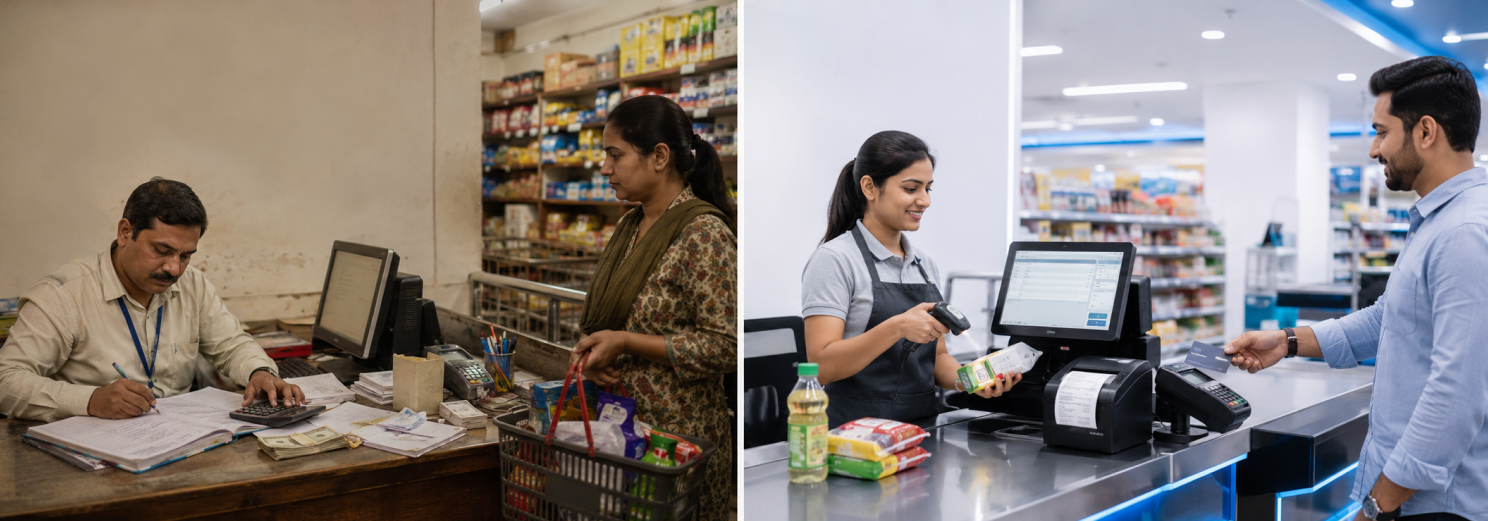
How Axon ERP Helps Retail Stores Process Sales Faster
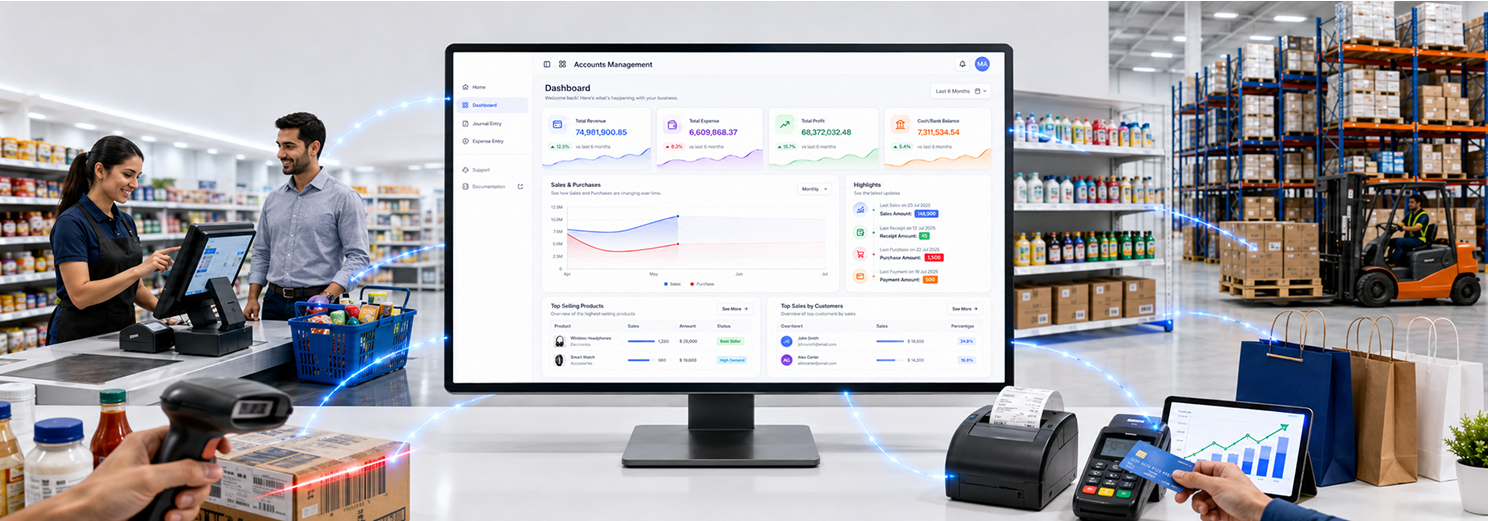
Axon ERP combines retail free POS software for pc, inventory management, warehouse operations, purchasing, and sales into one integrated ERP platform.
Instead of relying on disconnected software or manual billing processes, every transaction is processed through a centralized system that keeps product information, pricing, inventory, and customer sales synchronized in real time.
With barcode-based billing, products can be scanned instantly while pricing, discounts, and taxes are calculated automatically. As soon as the transaction is completed, inventory updates immediately without requiring additional manual work.
Because inventory records remain synchronized with sales, businesses reduce billing delays caused by inaccurate stock information while also improving purchasing decisions and inventory planning.
Retailers operating multiple stores or warehouses can also monitor inventory availability across different locations from a single dashboard, making it easier to locate products and serve customers faster.
Whether you're managing a single retail outlet or multiple branches, Axon ERP helps businesses improve checkout speed, reduce operational errors, and deliver a better customer experience.
Why Faster Billing Creates Long-Term Business Growth
Retail businesses often focus on increasing customer traffic.
However, improving the checkout experience can generate equally significant results.
When billing becomes faster:
- More customers can be served during peak hours.
- Queue lengths become shorter.
- Customers are less likely to abandon purchases.
- Billing mistakes decrease.
- Inventory remains more accurate.
- Employees become more productive.
- Customer satisfaction improves.
- Repeat business increases.
Small improvements at the billing counter often create measurable improvements across the entire retail operation.
Final Thoughts
Customers rarely stop shopping because they dislike your products.
More often, they leave because the buying experience becomes frustrating.
Slow billing counters reduce sales, create long checkout queues, increase employee workload, and negatively affect customer satisfaction. These problems become even more expensive as retail businesses continue to grow.
Modern retailers solve these challenges by connecting POS software, inventory management, pricing, barcode scanning, and sales into a single integrated workflow rather than relying on disconnected systems.
With Axon ERP, retailers can process transactions faster, maintain accurate inventory records, reduce billing errors, and provide a smoother checkout experience that helps increase customer satisfaction and long-term profitability.